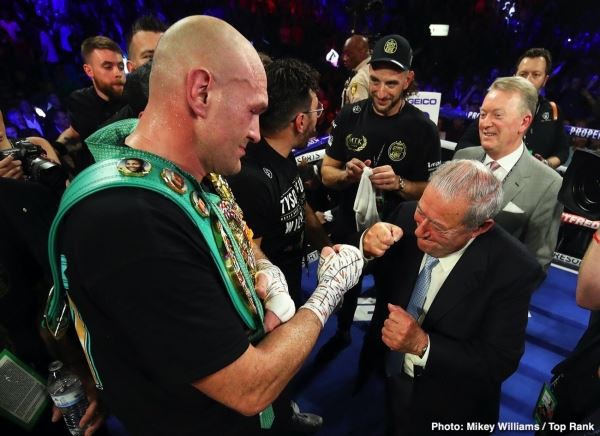
Глава компании Top Rank Боб Арум, который является со-промоутером чемпиона мира по версии WBC в супертяжелом весе британца Тайсона Фьюри, поделился планами его подопечного на будущее. По словам Арума, Тайсон, вероятно, не собирается тратить время на проходные бои, а возьмет…
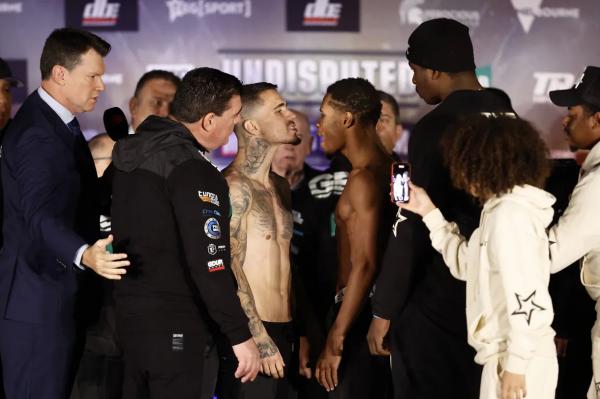
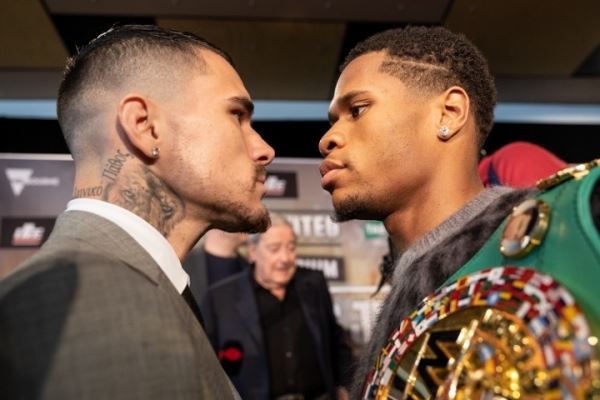
Сегодня в Мельбурне, Австралия состоялась официальная процедура взвешивания участников вечера бокса, который пройдет 5-го июня на арене Marvel Stadium. Главным событием ивента станет бой абсолютного чемпиона мира в легком весе австралийца Джорджа Камбососа и американца Девина Хэйни.
Отметим, что Джордж…
Известный американский тренер и аналитик Тедди Атлас поделился своим мнением относительно предстоящего поединка между абсолютным чемпионом мира в легком весе австралийцем Джорджем Камбососом-младшим и американцем Девином Хэйни.
«Хэйни быстрее и острее, но Камбосос знает, как рассчитать время. Он это показал…
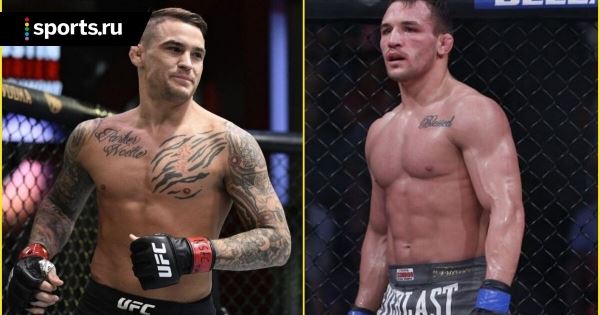
Рейтинговый легковес UFC Майкл Чендлер в резкой форме ответил Дастину Порье, посоветовавшего американцу не выпрашивать бой с Конором Макгрегором.
«Я тебя услышал, но проблема заключается в том, что никому нет до тебя дела, жалкий подражатель.
Ты потерял свой блеск, и…
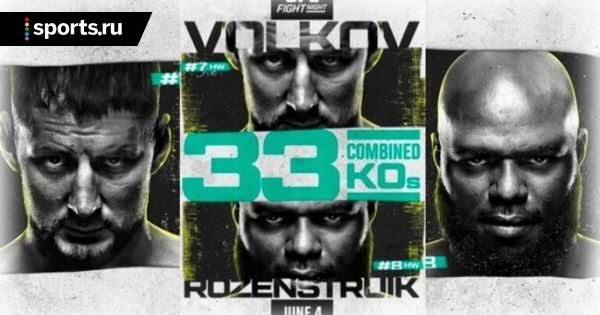
В ночь с 4 на 5 июня в Лас-Вегасе (Невада) состоится турнир UFC Fight Night 207. В главном событии вечера пройдет бой в тяжелом весе между Александром Волковым (34-10) и Жаирзиньо Розенстрайком (12-3).
В со-главном бою турнира встретятся полулегковесы Дэн…
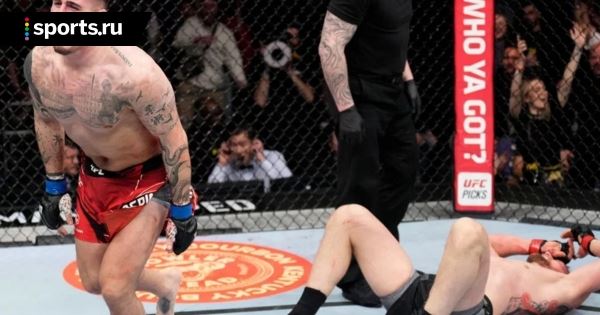
Рейтинговый тяжеловес UFC Александр Волков ответил на вопрос о поединке с Томом Аспиналлом, в котором россиянин попался на болевой прием в первом раунде.
«Иногда такое бывает. Что я точно не хочу сейчас делать, так это оправдываться. Я дрался с сильным…
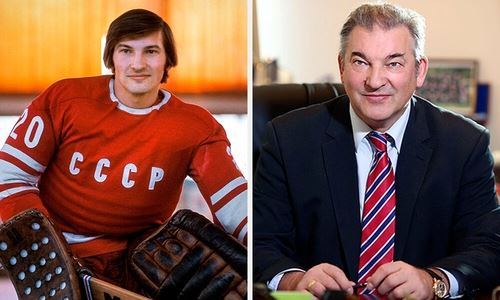
Сегодня, 25 апреля, исполняется 70 лет трёхкратному олимпийскому чемпиону по хоккею, заслуженному мастеру спорта СССР Владиславу Александровичу Третьяку.
Золотые олимпийские медали он завоевал в составе сборной команды СССР на XI Олимпийских зимних играх 1972…
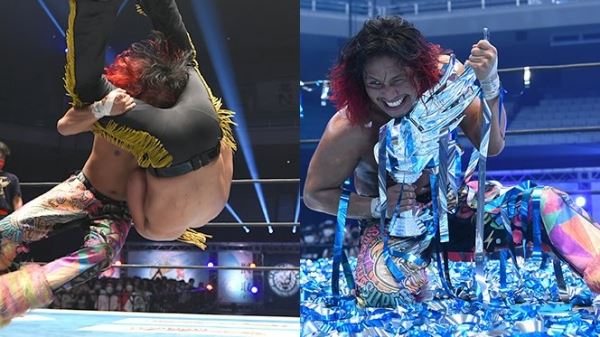
Последние пару недель в Японии проходил турнир с одними из лучших полутяжей во все мире. Помимо уже сформированных звезд дивизиона вроде Хирому Такахаши и Таиджи Ишимори в турнире принимали участие такие рестлеры, как Уилер Юта и Эйс Остин. Сегодня же…
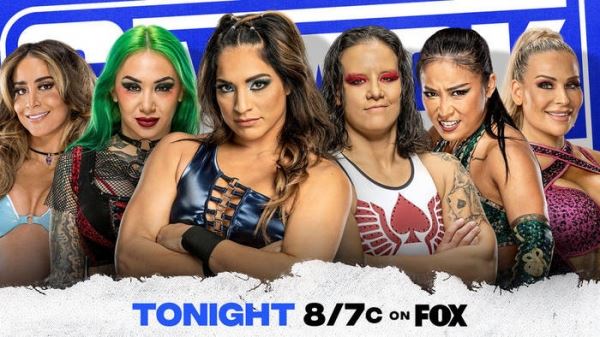
На Friday Night SmackDown своё возвращение после нескольких недель отсутствия из-за травмы совершит Мэдкап Мосс. WWE добавили в заявку шоу титульный бой, в котором неоспоримым командным чемпионам Усо будут противостоять Риддл и Шинске Накамура.
Помимо этого Ракель Родригес, Шейна Бейзлер,…
Звёзды AEW Сэмми Гевара и Тай Конти после поражения в смешанном матче на Double or Nothing отправились в Европу и неспроста. В Париже рядом с Эйфелевой башней Сэмми Гевара сделал предложение Тай Конти стать его женой, на который получил ответ…
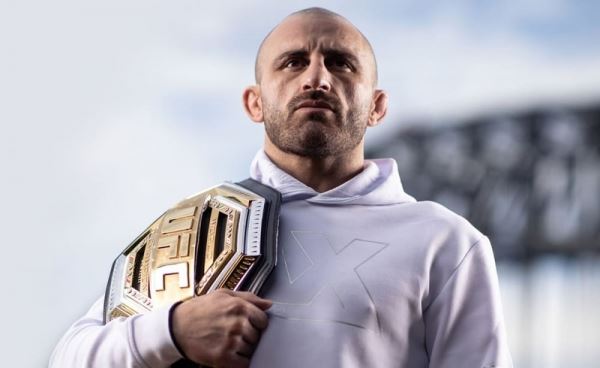
Действующий чемпион UFC в полулегком весе, Александр Волкановски, уверен в том, что его регбийное прошлое, а также опыт выступлений в полусредней весовой категории, обеспечат ему успех, когда он решит подняться в легкий дивизион UFC.
«Вероятно, в начале карьеры я…
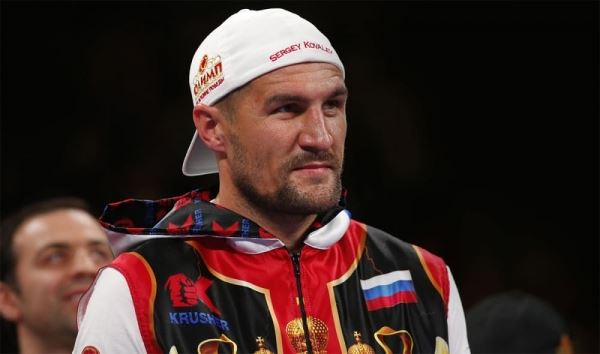
Бывший чемпион мира по боксу в полутяжелом весе, Сергей Ковалев, в прошлом месяце успешно возобновивший карьеру после более чем двухлетнего перерыва, до сих пор не получил гонорар за бой с Тервелом Пулевым.
Информированные источники, близкие к ситуации, сообщают,…
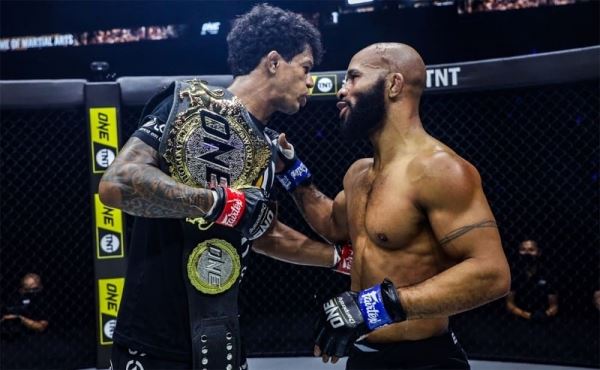
Экс-чемпион UFC в наилегчайшем весе, Деметриус Джонсон, предпримет вторую попытку завоевать титул ONE Championship в наилегчайшей весовой категории в противостоянии с бразильцем Адриано Мораесом.
Титульный бой станет главным событием турнира ONE 161, который состоится 26…
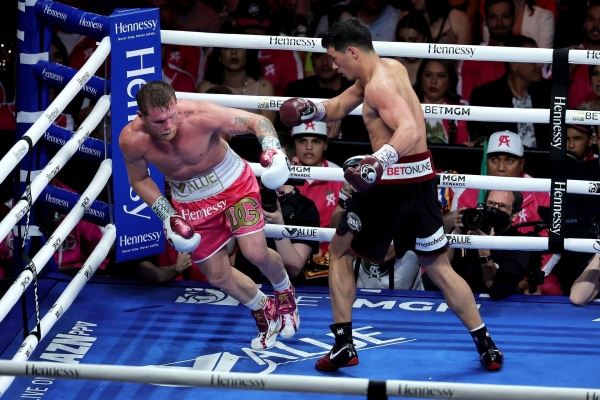
Обладатель титула WBA Super в полутяжелом весе Дмитрий Бивол рассказал, о чем он думал перед поединком против мексиканской суперзвезды Сауля Альвареса.
«Я вышел первым в ринг, стою, жду. Выходит команда Канело — все визжат. Ты думаешь, что они визжат не ему,…
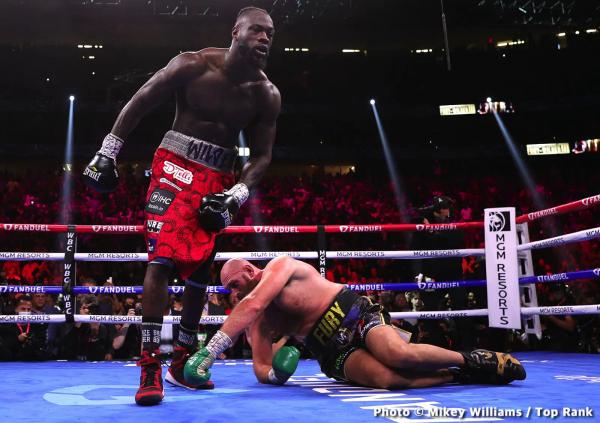
Глава промоутерской компании Matchroom Boxing Эдди Хирн предположил, против кого свой следующий бой проведет экс-чемпион мира в супертяжелом весе Деонтей Уайлдер.
«Уайлдер — отличное дополнение к супертяжелому весу. Я очень рад, что он вернулся, потому что если вы посмотрите бои Уайлдера,…
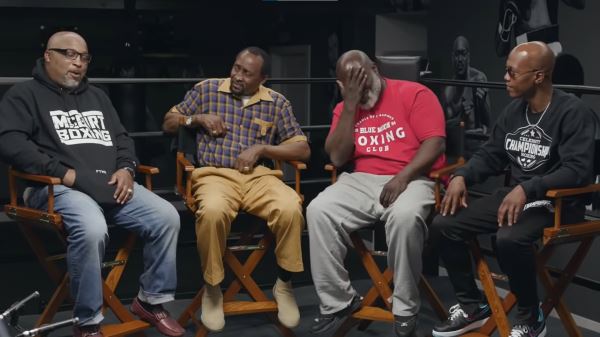
В ноябре 2021 года Томас Хёрнс, Бадди Макгирт, Заб Джуда и Джеймс Тони посетили передачу Fight Starts TV.
Известный тренер Бадди Макгирт поделился интересной историей из своей юности.
«Я пришёл в незнакомый зал и был там один… два парня, которые…